
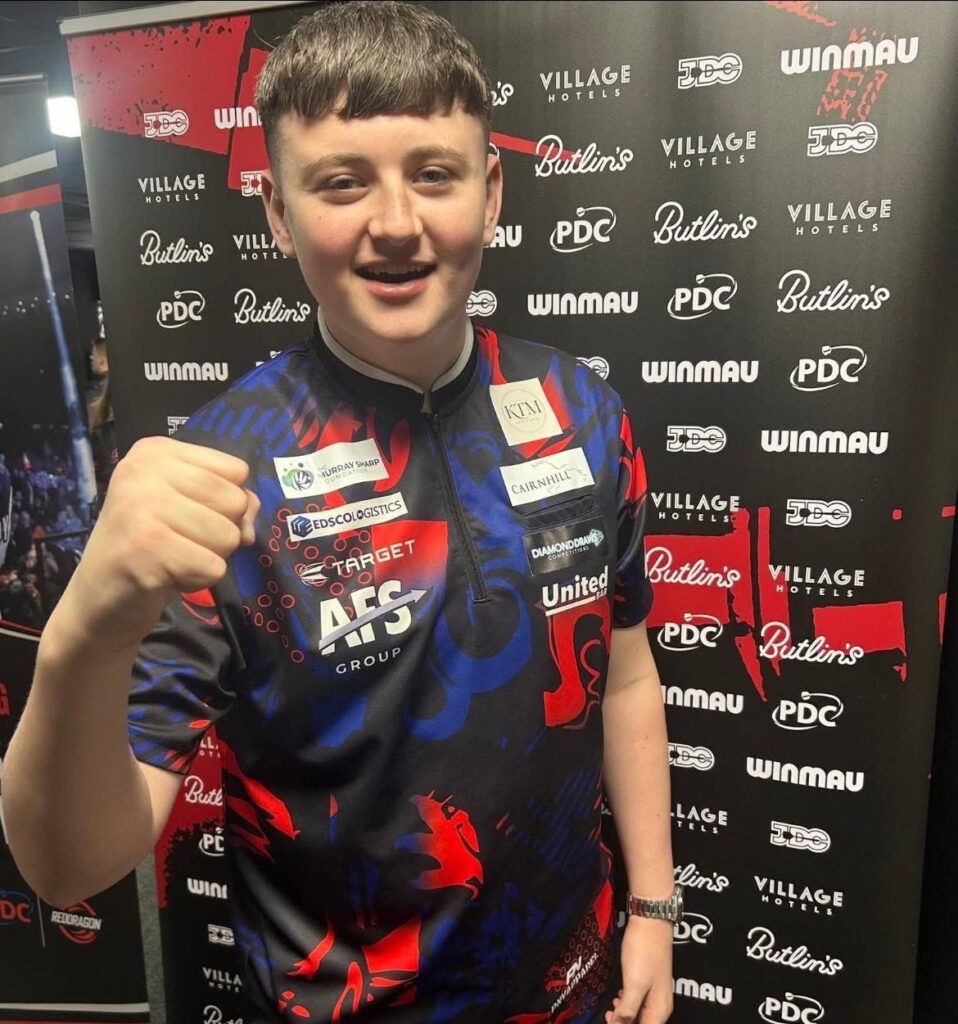
The sporting world has been rocked by stunning news that 15-year-old rising talent Mitchell Lawrie is facing a potential six-month suspension after allegedly testing positive for performance-enhancing drugs (PEDs). What began as a promising journey for one of the most talked-about young prospects in the game has suddenly turned into a controversy that has left fans, coaches, and officials in disbelief.
At just 15 years old, Lawrie had been hailed as a future star. Coaches described him as disciplined beyond his years. Teammates admired his work ethic. Supporters saw in him the kind of raw, electrifying talent that only comes around once in a generation. But now, those glowing headlines have been replaced with shock, questions, and intense scrutiny.
The Shocking Test Result
Sources close to the situation confirm that Lawrie’s sample was collected during routine anti-doping procedures conducted at a sanctioned youth competition. The result allegedly showed traces of a prohibited substance categorized under performance-enhancing drugs.
Under strict anti-doping regulations, even youth athletes are subject to testing protocols similar to professionals. The rules are clear: intent does not automatically excuse a positive test. Whether accidental ingestion, contamination, or deliberate use, the athlete is held responsible for what enters their body.
For many fans, the biggest shock isn’t just the positive test — it’s Lawrie’s age. At 15, he is still considered a minor in competitive sport structures. The idea that someone so young could become entangled in a doping case has sparked a broader conversation about pressure, ambition, and the modern sports system.
A Rising Star Under Pressure
Before this bombshell, Mitchell Lawrie was on a trajectory that seemed unstoppable. Scouts had been monitoring his progress closely. Development coaches reportedly praised his speed, endurance, and competitive maturity. His recent performances had placed him firmly on the radar as one of the most promising young athletes in his category.
With increased attention comes increased pressure.
The transition from local standout to nationally recognized talent often brings overwhelming expectations. Sponsors, social media buzz, and performance demands can create a high-stakes environment — even for teenagers. While there is no official statement suggesting deliberate wrongdoing, the intense environment surrounding elite youth sport cannot be ignored.
Was this a case of misguided advice? Supplement contamination? Or something more serious?
At this stage, officials have not publicly disclosed the exact substance involved, pending confirmation testing and procedural steps.
What Happens Next?
Under standard anti-doping procedures, an athlete who tests positive is provisionally suspended while the case is reviewed. Lawrie reportedly has the right to request testing of his B-sample. If that test confirms the initial result, disciplinary proceedings will move forward.
A six-month suspension, while significant, is considered a relatively moderate penalty in the broader anti-doping framework. For senior athletes, bans can extend to several years. In youth cases, authorities sometimes take age and mitigating factors into account.
Still, for a 15-year-old at a crucial stage of development, six months on the sidelines could feel like an eternity.
Training momentum, competitive rhythm, and confidence are all fragile at that age. A suspension doesn’t just remove competition time — it interrupts growth, reputation, and trust.
Family and Camp Response
According to sources close to the Lawrie family, they were “shocked and devastated” by the result. Those familiar with the situation insist that Mitchell has always been committed to clean sport and that they are reviewing all possible explanations.
Some insiders have hinted at the possibility of supplement contamination — a growing issue in youth sport. Over-the-counter supplements are often poorly regulated, and cross-contamination can occur in manufacturing facilities. Even trace amounts can trigger a positive test.
However, anti-doping rules operate under the principle of strict liability. That means the athlete bears responsibility regardless of intent.
It is understood that Lawrie’s representatives are consulting experts to determine the next steps.
The Reaction from the Sporting Community
The reaction has been swift and divided.
Some voices are urging caution and compassion, emphasizing that Lawrie is a minor and deserves due process. Others argue that anti-doping rules must apply equally, regardless of age or potential.
Youth coaches have begun speaking out about the growing pressures placed on teenage athletes. In today’s hyper-competitive environment, young prospects are often training at levels once reserved for adults. With that intensity sometimes comes exposure to complex supplement regimens — often without full understanding of risks.
The incident has reignited debates about education and oversight in youth sports programs.
Are young athletes receiving enough guidance?
Are parents and coaches fully aware of what their children are consuming?
Is the culture of “win at all costs” creeping into teenage competition?
These questions now hang heavily over Lawrie’s case.
The Psychological Toll
Beyond the legal and regulatory aspects, there is the emotional impact.
For a 15-year-old, public controversy can be overwhelming. Social media commentary has already begun swirling, with speculation running rampant. In the digital age, allegations travel fast — and reputations can shift overnight.
Sports psychologists warn that young athletes in similar situations face heightened risks of anxiety, isolation, and self-doubt. Even if cleared, the shadow of suspicion can linger.
The support system around Lawrie will be crucial in the coming weeks. Family, coaches, and mentors must balance accountability with protection.
A Cautionary Tale?
Regardless of the final outcome, this case may serve as a wake-up call.
Anti-doping education at youth levels has often lagged behind professional sport. Yet as competition intensifies and talent identification begins earlier than ever, teenagers are being introduced to performance conversations once reserved for adults.
Nutrition, supplementation, recovery enhancement — these topics are now part of teenage training environments.
If Lawrie’s case stems from accidental contamination, it underscores the urgent need for stricter oversight and better education.
If it proves to be deliberate, it raises even more troubling questions about influence and guidance.
Either way, the spotlight has shifted from one athlete to the broader system.
The Bigger Picture
In elite sport, fairness is everything. Anti-doping frameworks exist to protect clean athletes and maintain integrity. But when cases involve minors, the conversation becomes more nuanced.
Youth sport is meant to develop character as much as performance. A punitive approach alone may not address the root causes.
Six months may seem short in professional timelines, but in a 15-year-old’s developmental window, it is significant. Skills progress quickly at that age. Missing competitive exposure can alter selection pathways and scholarship opportunities.
Yet some observers believe that a firm but measured response could ultimately protect Lawrie’s long-term career. Accountability early, they argue, can prevent larger mistakes later.
What Fans Should Know
At this moment, several key facts remain unconfirmed:
- The specific substance involved has not been publicly disclosed.
- The B-sample test result is pending.
- Official disciplinary hearings have not yet concluded.
Until those processes are complete, the situation remains provisional.
Speculation may fill headlines, but procedural fairness takes time.
A Defining Moment
For Mitchell Lawrie, this moment could define more than just a season — it could shape his character and career trajectory.
History has shown that some athletes rebound stronger after early controversy, using adversity as fuel. Others struggle under the weight of scrutiny.
The coming weeks will reveal more clarity about the circumstances behind the positive test. Until then, the sporting community waits.
One thing is certain: this case has sparked urgent conversation about youth sport, pressure, and responsibility.
At 15, Lawrie stands at a crossroads few teenagers could imagine. The path ahead will depend not only on test results and rulings — but on guidance, resilience, and the lessons drawn from this unexpected storm.
As the investigation continues, fans, officials, and fellow athletes will be watching closely. The headline may scream “BREAKING,” but the real story is still unfolding.